Author Archive

How to Choose a Reliable Swimming Pool Installation Company for Commercial and Private Pools

June 12th, 2026 | Our Blogs

Selecting the right partner for your swimming pool project is a pivotal decision that dictates the long-term performance, safety, and operational efficiency of your aquatic environment. Whether managing a high-traffic commercial facility or a bespoke private oasis, the precision of the technical setup directly influences water circulation quality, overall energy consumption, and future maintenance expenditures.

It is vital to recognize that service offerings vary significantly within the industry. While many firms handle general site development, specialized entities like Efstaco Pools dedicate their expertise exclusively to pool systems installation and pool equipment integration. This specialized focus ensures that every hydraulic and filtration component is calibrated to function flawlessly from day one.

Why Choosing the Right Pool Installation Company Matters

A swimming pool is more than just a water feature; it’s a complex system of interconnected components. Choosing an experienced swimming pool installation company ensures that every part of the system works efficiently together.

Proper pool systems installation guarantees:

  • Smooth water circulation
  • Effective filtration and sanitation
  • Energy-efficient operation
  • Reduced long-term maintenance costs

On the other hand, poor installation can lead to issues such as leaks, equipment failure, high energy bills, and frequent repairs. This is why selecting a reliable installation partner is crucial for both commercial and residential pool owners.

Key Services to Look for in a Swimming Pool Installation Company

Pool Systems Installation Expertise

A professional company should have in-depth knowledge of installing complete pool systems, including filtration, circulation, and water treatment. These systems are the backbone of any pool and must be installed with precision.

An experienced team ensures:

  • Proper sizing and configuration of systems
  • Optimal water flow and filtration efficiency
  • Compliance with safety and operational standards

Pool Equipment Installation

High quality pool equipment installation is essential for durability and performance. This includes installing pumps, filters, heaters, and automated control systems.

Reliable installers focus on:

  • Energy efficient equipment solutions
  • Seamless integration of all components
  • Long-lasting performance with minimal downtime

Electromechanical Installations

Electromechanical systems are at the core of modern swimming pools. These include the electrical and mechanical components that power and control pool operations.

A trusted swimming pool installation company should provide:

  • Safe electrical connections
  • Efficient mechanical system integration
  • Compliance with industry standards and regulations

Complete Equipment & Accessories Supply

In addition to installation, a dependable company should also supply high-quality pool components. This includes:

  • Equipment, pipes, and fittings
  • Pool accessories and maintenance tools
  • Liners, ceramics, and finishing materials
  • Pool chemicals for water treatment

Having a single provider for both supply and installation ensures consistency, compatibility, and quality control.

Commercial vs Private Pool Installation – What to Consider

Commercial Pools

Commercial pools, such as those in hotels, resorts, and public facilities, require advanced systems and robust installation.

Key considerations include:

  • High-capacity filtration and circulation systems
  • Compliance with strict safety and hygiene standards
  • Durable and heavy-duty pool equipment installation

An experienced company ensures that commercial pools operate efficiently even under heavy usage.

Private Pools

Private pools focus more on comfort, aesthetics, and ease of maintenance. However, proper pool systems installation remains equally important.

Key aspects include:

  • Custom-designed systems for residential needs
  • Energy-efficient equipment to reduce operational costs
  • Smart automation for easy control and maintenance

A reliable installation company helps homeowners achieve both functionality and visual appeal.

Signs of a Reliable Swimming Pool Installation Company

Choosing the right partner can make all the difference. Here are some key signs to look for:

  • Proven experience in both commercial and private pool installations
  • Strong portfolio showcasing successful projects
  • Use of high-quality equipment and materials
  • Expertise in pool systems installation and pool equipment installation
  • Comprehensive services including supply and installation
  • Positive reputation and client trust in Cyprus

Working with a dependable company ensures peace of mind and long-term value.

Questions to Ask Before Hiring a Pool Installation Company

Before making your decision, ask the following questions:

  • Do you specialize in installation rather than pool construction?
  • What types of pool systems do you install?
  • Do you provide both equipment supply and installation services?
  • What brands and materials do you use?
  • Can you handle large-scale commercial projects?
  • Do you offer guidance on maintenance and system operation?

These questions will help you identify whether the company has the expertise and capability to meet your specific needs.

Why Choose a Specialized Installation & Equipment Provider

Working with a company that focuses specifically on installation and equipment offers several advantages.

Specialized providers deliver:

  • Advanced technical expertise
  • Access to high-quality and innovative pool equipment
  • Better system integration and performance
  • Reduced risk of installation errors
  • Long-term cost savings through efficient systems

This approach ensures that your pool operates at peak performance from day one.

Why Efstaco Pools is a Trusted Choice in Cyprus

Efstaco Pools stands out as a leading swimming pool installation company in Cyprus, thanks to its commitment to quality, reliability, and expertise.

With thousands of successful installations across commercial and private pools, the company offers:

  • Professional swimming pool electromechanical installations
  • Expert pool systems installation
  • Reliable pool equipment installation

Their comprehensive product range includes:

  • Equipment, pipes, and fittings
  • Waterslides and theming solutions
  • Pool accessories and chemicals
  • Liners and ceramic finishes

By focusing on both supply and installation, Efstaco Pools ensures that every project meets the highest standards of performance and durability.

Conclusion

Selecting the right swimming pool installation company is essential for ensuring the efficiency, safety, and longevity of your pool. From pool systems installation to pool equipment installation, every detail plays a crucial role in delivering a high-performing and low-maintenance pool.

By choosing a reliable and experienced provider like Efstaco Pools, you benefit from expert installation, high-quality equipment, and long-term value. Whether for a commercial project or a private residence, investing in professional installation services is the key to a successful swimming pool system.

Frequently Asked Questions

Q1. What does a swimming pool installation company do?

A swimming pool installation company specializes in installing pool systems, equipment, and electromechanical components rather than constructing the pool structure.

Q2. Why is professional pool systems installation important?

It ensures proper water circulation, filtration, and energy efficiency, reducing maintenance costs and improving overall performance.

Q3. What is included in pool equipment installation?

It includes pumps, filters, heaters, automation systems, and water treatment units essential for pool operation.

Q4. Do installation companies also supply pool equipment?

Yes, companies like Efstaco Pools provide both equipment supply and installation services for complete solutions.

Q5. How do I choose the best pool installation company in Cyprus?

Look for experience, service range, reliability, and expertise in handling both commercial and private pool installations.
Swimming Pool Filtration Systems: The Essential Guide for Commercial & Residential Installations

June 12th, 2026 | Our Blogs

Clean, clear, and hygienic water is the foundation of any high-quality swimming pool. Whether it’s a large public facility or a private backyard pool, efficient pool filtration systems are essential to maintaining water safety and visual appeal. Filtration systems work continuously to remove debris, bacteria, and contaminants, ensuring a safe swimming environment for users.

For property owners and facility managers across Cyprus, investing in the right swimming pool filtration solution is critical for long-term performance and cost efficiency. With years of experience in supplying and installing advanced pool equipment, Efstaco Pools has built a strong reputation as a dependable provider of filtration systems for both commercial and residential applications focusing purely on equipment, installation, and maintenance.

What Are Pool Filtration Systems and Why Are They Important?

Pool filtration systems are designed to circulate and clean pool water by removing impurities such as dirt, oils, microorganisms, and organic waste. These systems play a crucial role in maintaining water clarity, hygiene, and overall pool health.

Without proper swimming pool filtration, water can quickly become cloudy and unsafe, leading to increased chemical usage and potential health risks. Filtration systems help:

  • Eliminate visible and microscopic contaminants
  • Improve water circulation
  • Maintain balanced chemical levels
  • Extend the lifespan of pool equipment

Both commercial and residential pools rely heavily on efficient filtration to meet hygiene standards and provide a safe swimming experience.

Types of Swimming Pool Filtration Systems

Choosing the right filtration system depends on the pool type, usage, and maintenance preferences. Here are the most common options:

Sand Filtration Systems

Sand filters are one of the most widely used pool filtration systems. They use specially graded sand to trap dirt and debris as water passes through.

Key benefits:

  • Cost-effective and durable
  • Easy to operate and maintain
  • Suitable for both residential and commercial pools

Cartridge Filtration Systems

Cartridge filters use replaceable filter cartridges to capture finer particles compared to sand filters.

Key benefits:

  • High filtration efficiency
  • Lower water usage (no backwashing required)
  • Ideal for residential pool filtration

Diatomaceous Earth (DE) Filters

DE filters provide the highest level of filtration by using a fine powder made from fossilized diatoms.

Key benefits:

  • Superior filtration performance
  • Removes extremely fine particles
  • Commonly used in commercial pool filtration systems where water quality standards are strict

Key Components of a Swimming Pool Filtration System

An effective swimming pool filtration system consists of multiple components working together:

  • Pumps and Motors: Circulate water through the system
  • Filters and Media: Remove impurities and contaminants
  • Pipes and Fittings: Ensure smooth water flow and system efficiency
  • Valves and Control Systems: Regulate water direction and pressure
  • Chemical Integration: Works alongside pool chemicals to maintain water balance

High-quality components are essential for ensuring durability, efficiency, and long-term performance.

Commercial Pool Filtration Systems: Key Considerations

Commercial pools such as those in hotels, resorts, and public facilities require advanced and high-capacity commercial pool filtration systems due to heavy usage and strict hygiene standards.

Important factors include:

  • High filtration capacity: To handle continuous operation
  • Durability: Equipment must withstand constant use
  • Regulatory compliance: Must meet public health and safety standards
  • Automation integration: For efficient monitoring and control
  • Professional installation: Ensures optimal performance and longevity

A well-designed filtration system reduces operational costs while maintaining excellent water quality.

Residential Pool Filtration: What Homeowners Need to Know

For homeowners, selecting the right residential pool filtration system ensures a clean and enjoyable swimming environment with minimal maintenance.

Key considerations:

  • Pool size and usage: Determines system capacity
  • Energy efficiency: Reduces electricity costs
  • Ease of maintenance: Simple cleaning and servicing
  • Cost-effectiveness: Balance between upfront cost and long-term savings

Cartridge and sand filters are often the preferred choice for residential pools due to their simplicity and efficiency.

Why Professional Installation Matters

Even the most advanced pool filtration systems can underperform if not installed correctly. Professional installation ensures that all components are properly configured for optimal efficiency.

Benefits of expert installation:

  • Accurate system sizing based on pool requirements
  • Proper water circulation design
  • Reduced risk of leaks and equipment failure
  • Improved energy efficiency and cost savings

Working with experienced providers like Efstaco Pools guarantees reliable swimming pool filtration solutions tailored to both commercial and residential needs.

Pool Equipment & Accessories That Improve Filtration

Filtration performance is closely linked to the quality of supporting equipment and accessories. Investing in premium components enhances overall system efficiency.

Key elements include:

  • Advanced pumps and filtration units
  • Durable pipes and fittings
  • Pool chemicals for balanced water treatment
  • High-quality liners and ceramics that reduce contamination
  • Additional accessories for improved circulation and cleaning

A complete system approach ensures consistent water clarity and long-term reliability.

Maintenance Tips for Long-Lasting Filtration Systems

Regular maintenance is essential to keep pool filtration systems operating efficiently and extend their lifespan.

Best practices:

  • Clean filters regularly based on usage
  • Backwash sand filters when required
  • Monitor and maintain proper water chemistry
  • Inspect and replace worn-out components
  • Schedule periodic professional servicing

Consistent maintenance reduces repair costs and ensures optimal system performance throughout the year.

Why Choose Efstaco Pools for Pool Filtration Systems in Cyprus

Efstaco Pools has established itself as a trusted provider of pool filtration systems across Cyprus by delivering high-quality equipment and professional installation services.

What sets them apart:

  • Extensive experience in swimming pool filtration solutions
  • Reliable supply and installation of advanced pool equipment
  • Proven track record with commercial and residential projects
  • Focus on quality, efficiency, and long-term performance
  • Customized solutions to meet specific client requirements

Their expertise ensures that every pool benefits from a dependable and efficient filtration system.

Conclusion

Investing in the right swimming pool filtration system is essential for maintaining clean, safe, and visually appealing pool water. Whether for large-scale facilities or private homes, efficient pool filtration systems play a vital role in ensuring hygiene, reducing maintenance costs, and enhancing user experience.

By choosing high-quality equipment and professional installation, pool owners can enjoy long-lasting performance and peace of mind. With a strong reputation for reliability and expertise, Efstaco Pools continues to deliver tailored filtration solutions that meet the highest standards for both commercial and residential pools.

Frequently Asked Questions

Q1.What is the best pool filtration system for commercial pools?

Diatomaceous Earth (DE) and high-capacity sand filters are commonly used in commercial pool filtration systems due to their efficiency and ability to handle heavy usage.

Q2.How often should a pool filtration system run?

Most pools require filtration systems to run between 8–12 hours daily, depending on pool size and usage.

Q3.Which filtration system is best for residential pools?

Cartridge and sand filters are ideal for residential pool filtration due to their ease of use and cost-effectiveness.

Q4.How often should pool filters be cleaned?

Cleaning frequency depends on the filter type, but regular maintenance is essential for optimal performance.

Q5.Why is professional installation important for pool filtration systems?

Professional installation ensures proper setup, efficient operation, and long-term durability of the system.

Why Proper Pool Systems Installation Matters for Safety

June 12th, 2026 | Our Blogs

When it comes to building a safe and efficient swimming environment, pool systems installation plays a far more critical role than many realize. Beyond aesthetics, the performance and safety of any pool whether residential or commercial depend heavily on how well its systems are installed. From filtration and circulation to electrical and safety components, every detail must be carefully executed.

Improper installation can lead to serious risks, including water contamination, equipment failure, and safety hazards. This is why investing in professional swimming pool safety systems and expert installation services is essential. Companies like Efstaco Pools specialize in electromechanical installations and equipment supply, ensuring pools across Cyprus meet the highest standards of safety and efficiency.

What is Pool Systems Installation?

Pool systems installation refers to the process of setting up all the technical and mechanical components required for a swimming pool to function properly. This includes everything from water circulation systems to safety equipment and chemical dosing systems.

Installation focuses purely on integrating high-performance components such as:

  • Filtration and circulation systems
  • Pumps and motors
  • Pipes and fittings
  • Pool equipment installation and accessories
  • Chemical dosing and treatment systems
  • Liners and ceramics

A professional installation ensures that all components work seamlessly together, delivering optimal performance and long-term reliability.

The Role of Swimming Pool Safety Systems

Modern pools are equipped with advanced swimming pool safety systems designed to protect users and maintain water quality. These systems are especially important in commercial environments where safety regulations are strict.

Key safety systems include:

  • Water filtration and purification systems to maintain hygiene
  • Anti-entrapment devices to prevent accidents
  • Pool alarms and monitoring systems for added security
  • Automatic chemical dosing systems to maintain balanced water

However, even the most advanced safety systems are ineffective if not installed correctly. Proper installation ensures these systems function as intended, minimizing risks and enhancing user safety.

Why Proper Installation is Critical for Safety

Prevents Electrical and Mechanical Failures

Swimming pools rely heavily on electromechanical systems. Incorrect wiring, poor equipment setup, or substandard installation can lead to dangerous malfunctions. Professional pool systems installation ensures that all electrical and mechanical components are installed safely and meet required standards.

Ensures Water Quality and Hygiene

Clean and balanced water is essential for any pool. Improper installation of filtration or chemical systems can result in poor water circulation and contamination. With expert pool equipment installation, systems are calibrated to maintain optimal water quality at all times.

Reduces Accidents and Liability

Safety is especially crucial in commercial pools. Faulty installations can lead to slips, entrapment risks, or equipment-related injuries. Proper setup of swimming pool safety systems significantly reduces these risks while supporting commercial pool compliance.

Commercial Pool Compliance and Regulations

For hotels, resorts, and public facilities, meeting commercial pool compliance standards is not optional it is mandatory. Regulatory bodies require pools to adhere to strict guidelines related to safety, hygiene, and operational efficiency.

Key compliance requirements include:

  • Proper installation of filtration and circulation systems
  • Certified safety equipment and anti-entrapment solutions
  • Accurate chemical dosing and monitoring systems
  • Regular inspections and maintenance

Professional pool equipment installation ensures that all systems meet these requirements, helping businesses avoid penalties and maintain a safe environment for users.

Key Components Installed in Modern Pool Systems

A well-functioning pool depends on the seamless integration of multiple components. During pool systems installation, experts typically install:

  • Filtration systems for clean and clear water
  • Pumps and motors for efficient water circulation
  • Pipes and fittings for proper water flow
  • Pool liners and ceramics for durability and aesthetics
  • Chemical dosing systems for water balance
  • Waterslides and theming systems for commercial attractions
  • Safety and monitoring equipment for enhanced protection

Each of these components must be carefully selected and installed to ensure optimal performance and safety.

Benefits of Professional Pool Equipment Installation

Choosing professional pool equipment installation offers several long-term advantages:

Enhanced Efficiency: Properly installed systems operate more efficiently, reducing energy consumption and operational costs.

Increased Equipment Lifespan: Correct installation minimizes wear and tear, extending the life of pumps, filters, and other components.

Improved Safety: Expert installation ensures all swimming pool safety systems function effectively, reducing risks.

Regulatory Compliance: Professionally installed systems help meet commercial pool compliance standards with ease.

Why Choose a Specialized Installation & Equipment Provider

Not all pool service providers are the same. While some focus on structural builds, others specialize in installation and equipment supply. Choosing a dedicated expert like Efstaco Pools offers distinct advantages:

  • Specialized expertise in pool systems installation
  • Focus on electromechanical systems and equipment
  • High-quality products including pipes, fittings, chemicals, and accessories
  • Proven experience across commercial and private pools in Cyprus
  • Reliable solutions tailored to compliance and safety requirements

By working with specialists, clients can ensure their pools are equipped with the best systems and installed to the highest standards.

Common Mistakes to Avoid in Pool Systems Installation

Avoiding these common errors can significantly improve pool safety and performance:

  • Incorrect sizing of pumps and filtration systems
  • Poor planning of pipes and fittings
  • Ignoring essential swimming pool safety systems
  • Using low-quality equipment
  • Failing to meet commercial pool compliance requirements

Partnering with experienced professionals helps eliminate these risks and ensures a smooth installation process.

Conclusion

In today’s safety-conscious environment, pool systems installation is a critical factor in ensuring the performance, reliability, and safety of any swimming pool. From maintaining water quality to preventing accidents, every component must be installed with precision and expertise.

By investing in professional pool equipment installation and advanced swimming pool safety systems, pool owners can achieve long-term efficiency and full commercial pool compliance. Whether for residential or commercial use, choosing a trusted installation specialist ensures peace of mind and a safe swimming experience for all.

FAQs

Q1.What is pool systems installation?

Pool systems installation involves setting up all mechanical, electrical, and safety components required for a pool to function efficiently and safely.

Q2.Why are swimming pool safety systems important?

They help prevent accidents, maintain water quality, and ensure a safe swimming environment for users.

Q3.What is required for commercial pool compliance?

Commercial pools must meet strict safety, hygiene, and operational standards, including proper system installation and certified equipment.

Q4.How does proper pool equipment installation improve safety?

It ensures all systems function correctly, reducing risks such as equipment failure, poor water quality, and accidents.

How to Choose the Best Pool Filtration System: Types, Benefits, Problems & Solutions

June 11th, 2026 | Our Blogs

A swimming pool is more than a luxury feature; it’s an investment in comfort, recreation, and property value. But crystal-clear water doesn’t happen by chance. It depends on one critical component: your filtration system. If you’re trying to choose pool filtration system options that truly match your needs, you’re in the right place.

Whether you own a residential pool or manage a high-traffic facility requiring commercial pool filtration, selecting the right system affects water clarity, maintenance time, equipment lifespan, and long-term operating costs. In this guide, we’ll walk you through common problems pool owners face, how to fix them, and how to select from the best pool filtration systems available today  all with a user-first approach.

Why Your Pool Filtration System Matters

Your filtration system works as the “kidneys” of your pool. It removes debris, dirt, oils, and microscopic contaminants to maintain safe, balanced water. Without proper filtration, even the right chemical levels won’t prevent cloudy water or algae growth.

Choosing correctly ensures:

  • Cleaner, healthier swimming conditions
  • Reduced chemical usage
  • Lower maintenance time
  • Improved energy efficiency
  • Longer equipment lifespan

Many pool issues stem not from poor maintenance  but from installing the wrong-sized or inefficient system in the first place.

Common Pool Filtration Problems Pool Owners Face

Before you choose pool filtration system solutions, it helps to understand the common challenges.

Cloudy or Dirty Pool Water

One of the most frustrating issues pool owners experience is persistent cloudy water. This often happens because:

  • The filter is undersized for the pool volume
  • The wrong filter type was installed
  • Circulation is inadequate

When filtration capacity doesn’t match pool demand, water clarity suffers.

High Maintenance and Frequent Cleaning

If you’re constantly cleaning cartridges or backwashing, your system may not be suited to your usage level. Some filters require more hands-on attention, especially in pools surrounded by trees or exposed to heavy debris.

Rising Energy Bills

An inefficient pump paired with outdated filtration can dramatically increase electricity costs. Oversized systems can waste energy, while undersized ones must run longer to compensate.

Poor Water Circulation

Dead spots in the pool allow debris and algae to collect. This is often caused by improper installation or mismatched components within the filtration system.

Frequent Repairs and Short Equipment Lifespan

Low-quality equipment or incorrect system sizing can lead to breakdowns and costly replacements. A poorly selected system may strain pumps and other components, shortening their life.

Types of Pool Filtration Systems Explained

Understanding your options makes it easier to select from the best pool filtration systems for your specific situation.

Sand Filters

Sand filters are one of the most commonly used pool filtration systems. They push water through a bed of specially graded sand that traps debris.

Pros:

  • Affordable
  • Simple to operate
  • Lower upfront cost

Cons:

  • Filters larger particles only
  • Requires backwashing
  • Sand replacement every few years

Best suited for medium to large residential pools where ease of maintenance is a priority.

Cartridge Filters

Cartridge filters use replaceable filter cartridges to capture debris.

Pros:

  • Better filtration than sand
  • No backwashing required
  • Water-efficient

Cons:

  • Cartridges require periodic cleaning
  • Replacement cost over time

They are ideal for residential pools seeking improved water clarity without high water waste.

Diatomaceous Earth (DE) Filters

DE filters provide the finest filtration level by using diatomaceous earth powder to trap microscopic particles.

Pros:

  • Superior water clarity
  • Captures very fine debris

Cons:

  • Higher maintenance
  • More complex cleaning process
  • Higher cost

These are often considered among the best pool filtration systems for luxury residential pools and high-demand commercial pool filtration environments.

How to Choose the Right Pool Filtration System 

Selecting the right system requires more than comparing features. Here’s how to approach it properly.

1. Consider Your Pool Size and Volume

The filter must match your pool’s total water capacity. An undersized system will struggle to maintain clarity, while an oversized one may waste energy. Proper flow rate calculations ensure efficient turnover.

2. Understand Usage Level

A backyard pool used occasionally has different needs than a hotel, gym, or apartment complex requiring commercial pool filtration. Higher bather loads demand stronger filtration capacity and durability.

3. Evaluate Your Maintenance Commitment

Be honest about how much time you want to spend on cleaning and upkeep. Some systems require more frequent maintenance than others. The right choice aligns with your lifestyle.

4. Check Energy Efficiency

Modern systems can significantly reduce operational costs. Variable-speed pumps and well-matched filtration units lower electricity consumption over time.

5. Define Your Water Quality Expectations

If you want ultra-clear, sparkling water year-round, investing in higher-performance pool filtration systems may be worthwhile.

How to Fix Common Pool Filtration Issues

If you’re already experiencing problems, here’s how they’re typically resolved:

Cloudy Water

Often caused by an undersized filter. Upgrading to properly sized pool filtration systems restores clarity.

High Energy Bills

Switching to an energy-efficient pump and optimized filtration setup reduces electricity usage.

Frequent Clogging

If cartridges clog too often, a larger filter or different type may be necessary.

Poor Circulation

Professional assessment ensures plumbing alignment and component compatibility.

In many cases, the issue isn’t maintenance, it’s system design.

Why Professional Installation Makes a Difference

Choosing equipment is only part of the process. Proper installation determines performance.

Professional installation ensures:

  • Correct sizing calculations
  • Proper pump-to-filter compatibility
  • Optimized plumbing layout
  • Long-term efficiency
  • Manufacturer warranty protection

When you choose pool filtration system solutions with expert guidance, you avoid costly mistakes.

How Efstaco Pools Can Help

At Efstaco Pools, the focus goes beyond simply supplying equipment. The team provides complete filtration solutions tailored to each client’s needs.

Expert Pool Filtration Consultation

Every pool is unique. Whether residential or requiring commercial pool filtration, expert assessment ensures accurate sizing and system selection.

Professional Installation and Upgrades

From new installations to system upgrades, high-quality pool filtration systems are integrated seamlessly with your existing pool setup.

Maintenance and Ongoing Support

Regular servicing, troubleshooting, and performance optimization keep your system running efficiently long after installation.

What Efstaco Pools Offers Beyond Installation

Unlike providers who simply sell equipment, Efstaco Pools delivers:

  • Complete pool system design
  • Energy-efficient upgrades
  • Custom filtration planning
  • Long-term care programs
  • Client-focused service

The goal is simple: clear water, lower costs, and peace of mind.

Make the Right Choice for Long-Term Pool Health

Choosing the right filtration system isn’t just about equipment, it’s about long-term performance, energy savings, and stress-free maintenance. When you carefully evaluate your pool size, usage, and maintenance expectations, you can confidently choose pool filtration system solutions that deliver lasting results.

If you’re unsure where to start or want expert guidance selecting from the best pool filtration systems, the specialists at Efstaco Pools are ready to help. From residential setups to advanced commercial pool filtration systems, the right support makes all the difference.

Frequently Asked Questions

Q1. What is the best option among pool filtration systems?

The best choice depends on your pool size, usage, and maintenance preferences. DE systems offer the finest filtration, while cartridge filters balance performance and convenience.

Q2. How long should I run my pool filtration system daily?

Most residential pools require 8–12 hours daily to ensure proper water turnover, but this varies based on pool size and usage.

Q3. How long do filtration systems last?

With proper maintenance, pool filtration systems can last 8–15 years, depending on type and quality.

Q4. Is commercial pool filtration different from residential?

Yes. Commercial systems are designed for higher water turnover, heavier usage, and stricter health regulations.

Q5. Can I upgrade my existing filtration system?

In most cases, yes. A professional evaluation determines compatibility and sizing requirements.

Electromechanical Pool Installations for Water Parks: Ensuring Performance, Safety & Long-Term Efficiency

June 11th, 2026 | Our Blogs

Water parks are high in demand environments where performance, safety, and operational efficiency must work together seamlessly. Behind every wave pool, lazy river, and splash zone lies a complex network of pumps, motors, filtration units, control panels, and hydraulic systems. These electromechanical components form the backbone of modern water park pool systems, ensuring clean water, reliable circulation, and uninterrupted fun for guests.

Electromechanical pool installations are not just about connecting equipment they are about engineering precision. When designed and installed correctly, they optimize energy use, reduce maintenance costs, and extend system lifespan. When poorly executed, they can result in downtime, water quality issues, and costly repairs. This guide explores common challenges in electromechanical installations for water parks, how to fix them, and how expert partners like Efstaco Pools can help deliver reliable, high-performance solutions.

What Are Electromechanical Installations in Water Parks?

Electromechanical pool installations refer to the integration of mechanical and electrical systems that operate and control a water park’s aquatic infrastructure. These include:

  • Circulation pumps and motors
  • Water park filtration systems
  • Electrical control panels and automation units
  • Piping networks and hydraulic balancing systems
  • Disinfection and water treatment units

In large-scale commercial recreational pool systems, these elements must work together in perfect harmony. From maintaining proper water turnover rates to supporting waterslide pool systems, the efficiency of electromechanical installations directly impacts visitor safety, hygiene, and operating costs.

Unlike residential pools, water park environments face higher loads, continuous operation, and heavy bather traffic. This makes professional planning, engineering, and installation essential.

Common Issues Faced in Electromechanical Pool Installations

Even well-designed water parks can experience operational challenges if the electromechanical systems are not properly engineered or maintained.

1. Poor Equipment Matching

One of the most frequent issues in water park pool systems is incorrect equipment sizing. Pumps that are too small struggle to maintain adequate circulation, while oversized pumps waste energy and increase operational costs. Similarly, improperly selected filtration units can lead to insufficient water clarity or excessive backwashing cycles.

Improper equipment matching often results from inadequate hydraulic calculations during the design phase.

2. Water Flow & Circulation Problems

Efficient circulation is critical in water park filtration systems. Poor hydraulic design can create “dead zones” where water stagnates, leading to contamination risks and inconsistent chemical distribution.

This is especially problematic in complex features such as wave pools and waterslide pool systems, where high flow rates and dynamic water movement demand precise engineering.

3. Electrical & Control Failures

Water parks rely heavily on automation and electrical systems to manage pumps, lighting, treatment systems, and safety mechanisms. Faulty wiring, outdated control panels, or poor installation practices can lead to unexpected shutdowns.

Electrical failures not only disrupt operations but can also compromise safety and compliance standards.

4. Maintenance Neglect

Electromechanical components are subject to constant wear and tear. Without preventive maintenance, motors overheat, seals fail, pipes corrode, and filtration efficiency declines.

In large-scale commercial recreational pool systems, delayed maintenance often results in emergency repairs during peak season when downtime is most costly.

5. Safety & Compliance Challenges

Water parks must comply with strict safety and health regulations. Improper installation of filtration, electrical grounding, or chemical dosing systems can lead to non-compliance, penalties, or even facility closure.

Meeting local codes and international standards requires expert oversight and technical expertise from the start.

How to Fix These Electromechanical Issues

Preventing these challenges begins with professional engineering and continues through installation and long-term maintenance.

Professional Load & Capacity Planning

Accurate hydraulic calculations ensure that pumps, filters, and piping systems are correctly sized for the expected load. Proper turnover rates and flow distribution eliminate dead zones and maintain consistent water quality across water park pool systems.

Advanced planning also ensures that waterslide pool systems operate with adequate flow pressure while maintaining energy efficiency.

Smart Control & Automation

Modern automation systems allow operators to monitor performance in real time. Smart control panels can regulate pump speeds, adjust chemical dosing, and detect irregularities before they escalate into major problems.

Automated monitoring reduces energy consumption and extends equipment life in commercial recreational pool systems.

Scheduled Preventive Maintenance

Routine inspections and servicing are essential for maintaining the integrity of water park filtration systems. Preventive maintenance includes:

  • Motor performance checks
  • Seal and gasket inspections
  • Filter media replacement
  • Electrical panel testing
  • Corrosion control

By addressing minor issues early, operators can avoid costly breakdowns and maintain consistent performance.

Compliance & Safety Audits

Working with certified professionals ensures installations meet all regulatory standards. Regular safety audits verify that grounding systems, disinfection equipment, and circulation systems comply with health and safety requirements.

This proactive approach protects both visitors and facility owners.

Why Electromechanical Installations Matter for Water Parks

Electromechanical systems directly influence:

  • Visitor safety and water hygiene
  • Energy efficiency and operational costs
  • Equipment lifespan
  • Guest satisfaction
  • Business reputation

Efficient water park pool systems create a clean, safe, and enjoyable environment. Properly engineered water park filtration systems maintain crystal-clear water, while optimized waterslide pool systems deliver consistent performance without unnecessary strain on pumps and motors.

When electromechanical infrastructure is designed with precision, water parks experience fewer disruptions and higher long-term profitability.

How Efstaco Pools Can Help

When it comes to electromechanical pool installations for water parks, expertise makes the difference. Efstaco Pools delivers comprehensive solutions designed to ensure reliability, safety, and long-term efficiency.

With decades of experience in engineering advanced aquatic facilities, Efstaco Pools specializes in designing and installing high-performance water park pool systems tailored to each project’s operational needs. Their approach combines detailed hydraulic planning, professional equipment selection, and precision installation.

Beyond installation, Efstaco Pools provides:

  • Expert planning for large-scale commercial recreational pool systems
  • Efficient and reliable water park filtration systems
  • Optimized circulation design for complex waterslide pool systems
  • Electrical integration and automation solutions
  • Ongoing maintenance and after-sales support

What sets Efstaco Pools apart is their user-centric approach. Every project begins with understanding the client’s operational goals, expected visitor capacity, and long-term performance objectives. Instead of offering standard solutions, they engineer customized systems that balance performance, safety, and energy efficiency.

Additionally, their commitment extends beyond installation. Through technical support and maintenance services, they ensure that water parks operate smoothly throughout peak seasons and beyond.

Conclusion

Electromechanical pool installations are the foundation of safe, efficient, and high-performing water parks. From pumps and filtration to automation and electrical systems, every component plays a critical role in maintaining water quality and ensuring uninterrupted operation.

Common issues such as poor equipment sizing, hydraulic imbalances, electrical failures, and maintenance neglect can significantly impact performance. However, with professional planning, smart automation, and preventive servicing, these challenges can be effectively managed.

For water park operators seeking reliable, future-ready solutions, partnering with experienced specialists ensures long-term success. By combining technical expertise, precision engineering, and ongoing support, Efstaco Pools helps transform complex aquatic infrastructure into dependable, high-efficiency systems that deliver exceptional results for both operators and visitors alike.

Frequently Asked Questions (FAQs)

Q1. What does electromechanical mean in pool installations?

Electromechanical refers to the integration of mechanical components (pumps, filters, piping) with electrical systems (control panels, automation, wiring) that operate and regulate pool functionality.

Q2. How long does electromechanical installation take?

Timelines vary depending on project size and complexity. Large-scale commercial recreational pool systems may require detailed planning and phased installation to ensure optimal performance and compliance.

Q3. What is the lifespan of electromechanical pool equipment?

With proper maintenance, major components such as pumps and filtration units can last many years. Routine servicing significantly extends system longevity.

Q4. Can water park pool systems be automated?

Yes. Modern systems allow remote monitoring, automated chemical dosing, and performance tracking to enhance efficiency and safety.

Q5. How often should water park filtration systems be serviced?

Preventive maintenance schedules typically include regular inspections and seasonal servicing, especially before peak operational periods.

Common Pool System Problems and How Professionals Fix Them

June 11th, 2026 | Our Blogs

Owning a swimming pool brings comfort, relaxation, and a touch of luxury to your home or commercial space. But behind every crystal-clear pool is a carefully balanced system of pumps, filters, chemicals, and circulation components working together. When even one element fails, the entire system can be affected.

Understanding swimming pool system problems early can save you time, money, and frustration. In this guide, we’ll explore the most common issues pool owners face, how professionals fix them, and how Efstaco Pools delivers reliable, long-term pool maintenance solutions that go beyond basic repairs.

Common Pool Problems Every Owner Faces

Even well-maintained pools can experience technical challenges. Here are the most frequent problems pool owners encounter.

1. Cloudy or Murky Water

Cloudy water is often the first sign of underlying pool filtration problems or chemical imbalance. It may appear dull, hazy, or milky, making it unsafe and uninviting for swimmers.

Common causes include:

  • Improper chemical balance (pH, chlorine, alkalinity)
  • Inefficient filtration
  • Poor circulation
  • Organic debris buildup

If left untreated, cloudy water can lead to bacteria growth and further damage to pool equipment.

2. Algae Growth

Green, yellow, or black algae can quickly take over a pool, especially during warm weather. Algae growth typically results from:

  • Low sanitizer levels
  • Inconsistent maintenance
  • Circulation issues
  • Dead spots in the pool where water doesn’t flow properly

Algae not only looks unpleasant but can also create slippery surfaces and unsafe swimming conditions.

3. Chemical Imbalance

Maintaining proper chemical levels is critical for swimmer comfort and equipment longevity. Imbalanced water can cause:

  • Skin and eye irritation
  • Strong chlorine smell
  • Corrosion of metal components
  • Scale buildup on surfaces

Chemical mismanagement is one of the most common swimming pool system problems, particularly in pools without regular professional monitoring.

4. Pool Pump Issues

Your pump is the heart of the entire circulation system. When pool pump issues arise, water cannot circulate effectively through the filtration system.

Signs of pump problems include:

  • Loud or unusual noises
  • Reduced water flow
  • Air bubbles in return lines
  • Pump failing to start

Ignoring pump problems can lead to severe damage and expensive replacements.

5. Pool Filtration Problems

A pool filter removes dirt, debris, and contaminants from the water. When pool filtration problems occur, water clarity and hygiene suffer.

Common filtration issues include:

  • Clogged filter media
  • Sand or cartridge wear
  • Damaged filter grids
  • Incorrect backwashing procedures

Poor filtration often leads to recurring cloudy water and increased chemical demand.

6. Equipment Wear and Tear

Heaters, valves, seals, lights, and automation systems naturally degrade over time. Without proper inspections, small faults can escalate into major failures.

How Professionals Fix These Pool System Problems

While minor maintenance can be handled by pool owners, most technical system problems require professional expertise. Here’s how specialists address them effectively.

Comprehensive Water Testing and Balancing

Professionals use precise diagnostic tools to analyze:

  • pH levels
  • Chlorine concentration
  • Total alkalinity
  • Calcium hardness

Rather than guessing chemical quantities, experts adjust levels strategically to restore safe, balanced water. This prevents recurring issues and protects equipment from corrosion or scaling.

Advanced Algae Treatment Protocols

Professionals don’t just add shock treatment and hope for the best. They:

  • Identify the type of algae
  • Apply targeted chemical treatments
  • Brush affected surfaces
  • Run extended filtration cycles

This systematic approach ensures algae is fully eliminated and less likely to return.

Repairing Pool Pump Issues

When addressing pool pump issues, trained technicians:

  • Inspect impellers and motors
  • Check seals and O-rings
  • Identify air leaks
  • Assess electrical connections

Sometimes a repair is sufficient. In other cases, upgrading to a more efficient pump can improve circulation and reduce long-term energy costs.

Solving Pool Filtration Problems

To resolve pool filtration problems, professionals:

  • Clean or replace filter media
  • Inspect internal filter components
  • Optimize flow rates
  • Correct improper installation issues

They also evaluate whether the filtration system is properly sized for the pool, as undersized systems often cause persistent clarity issues.

Preventive Pool Maintenance Solutions

One-time fixes are rarely enough. Sustainable pool maintenance solutions focus on prevention rather than reaction.

Professional maintenance plans typically include:

  • Scheduled water testing
  • Equipment inspections
  • Filter cleaning
  • Pump performance checks
  • Seasonal preparation

Preventive care significantly reduces the risk of unexpected breakdowns.

How Efstaco Pools Helps You Solve Pool System Problems

When it comes to expert support, Efstaco Pools stands out as a trusted industry leader with decades of experience in pool systems and electromechanical installations.

Expertise in Complete Pool Systems

Efstaco Pools provides professional installation, and servicing of high-performance pool systems. From pumps and filters to advanced circulation setups, their team ensures every component functions efficiently.

Reliable Equipment & Accessories

They supply premium pool equipment, accessories, and chemicals sourced from leading international manufacturers. Quality equipment reduces the likelihood of recurring pool pump issues and filtration failures.

Tailored Pool Maintenance Solutions

Rather than offering generic packages, Efstaco Pools delivers customized pool maintenance solutions based on:

  • Pool size
  • Usage frequency
  • Environmental factors
  • Residential or commercial requirements


This tailored approach ensures consistent water clarity and optimal system performance.

Electromechanical Installation Expertise

Beyond maintenance, Efstaco Pools specializes in professional electromechanical installations. This ensures pumps, filtration systems, and automation components are installed correctly from the beginning preventing future swimming pool system problems.

More Than Just Repairs

What truly sets Efstaco Pools apart is their comprehensive service model. They go beyond fixing issues by offering:

  • Preventive maintenance programs
  • System upgrades
  • High-quality fittings and components
  • Advanced pool features and enhancements


Their goal isn’t just to repair it’s to optimize and future-proof your entire pool system.

Conclusion

Swimming pools are complex systems that require consistent attention and technical expertise. From cloudy water and algae outbreaks to pool pump issues and pool filtration problems, small faults can quickly escalate without proper care.

Professional intervention ensures accurate diagnosis, long-lasting repairs, and effective pool maintenance solutions that protect your investment.

If you’re experiencing swimming pool system problems or want to prevent them before they start, partnering with Efstaco Pools provides peace of mind. With decades of experience, premium equipment, and tailored maintenance services, they deliver solutions that go beyond basic fixes ensuring your pool remains clean, efficient, and ready to enjoy all year round.

FAQ: Pool System Problems & Solutions

Q1. How often should I test my pool water?

Ideally once a week, and more frequently during high-use seasons. Professional monitoring ensures consistent balance.

Q2. What causes repeated algae growth?

Recurring algae usually indicates circulation or filtration issues combined with inconsistent sanitizer levels.

Q3. How do I know if I have pool pump issues?

Unusual noises, weak water flow, and air bubbles in return lines are common indicators.

Q4. Why does my pool stay cloudy even after adding chemicals?

This often points to pool filtration problems rather than chemical imbalance alone.

Q5. Are professional pool maintenance solutions worth it?

Yes. Preventive maintenance reduces long-term costs, extends equipment life, and ensures safe swimming conditions.

Difference Between Residential and Commercial Pool Systems

March 11th, 2026 | Our Blogs

Choosing the right pool system is essential for maintaining water quality, efficiency, and long-term performance. While residential and commercial pools may look similar on the surface, the systems that support them are very different. Understanding the difference between residential and commercial pool systems helps pool owners, facility managers, and hospitality businesses make informed decisions about equipment, filtration, and system design.

This article explains how residential pool systems and commercial pool equipment differ, why proper swimming pool system design matters, and how professional expertise ensures reliable performance for both environments.

Difference Between Residential and Commercial Pool Systems

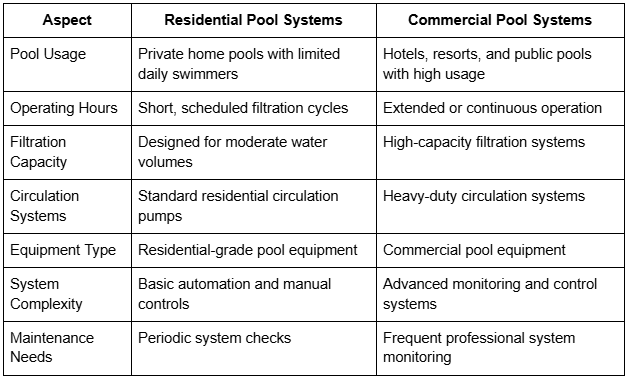
Residential and commercial pool systems are designed for different usage levels, operating conditions, and performance expectations. The table below highlights the key differences between the two.

These differences directly impact water quality, energy efficiency, and system reliability. Using residential pool systems in commercial environments often leads to performance issues, increased maintenance, and higher long-term costs. Commercial pools require equipment and systems that can handle continuous demand without compromising filtration effectiveness or operational stability.

Swimming Pool System Design Considerations

Effective swimming pool system design is based on how the pool will be used, not just its size. Residential pool systems are typically designed for smaller swimmer loads and intermittent use, while commercial systems must support consistent circulation and filtration throughout the day.

System design considerations include:

  • Matching filtration capacity to pool volume and usage
  • Ensuring proper circulation to avoid stagnant water
  • Selecting equipment that supports energy-efficient operation
  • Planning for long-term performance and system durability

Professional electromechanical design ensures that pool systems operate efficiently under real-world conditions. Well-designed systems reduce unnecessary strain on equipment, maintain stable water quality, and help control operational costs over time.

Common Mistakes When Choosing Pool Systems

One of the most common mistakes is assuming that residential and commercial pool systems are interchangeable. Installing residential-grade equipment in a commercial pool often results in inadequate filtration and reduced system lifespan.

Other common issues include:

  • Undersized filtration systems that cannot handle usage demands
  • Poor circulation design leading to uneven water quality
  • Ignoring future usage increases or operational changes
  • Relying on basic equipment without professional system assessment

Avoiding these mistakes requires a clear understanding of system requirements and professional guidance during system selection and design.

How Efstaco Pools Supports Residential and Commercial Pool Systems

Efstaco Pools specialises in electromechanical pool systems for both residential and commercial environments. Our expertise focuses on:

  • Designing pool systems based on usage and performance needs
  • Supplying and installing appropriate pool equipment
  • Optimising filtration and circulation systems
  • Supporting long-term system reliability and efficiency

By aligning equipment selection and system design with real operational requirements, Efstaco Pools helps ensure consistent water quality and dependable pool performance.

Why Proper Pool System Design Matters

The difference between residential and commercial pool systems lies in their design, capacity, and operational demands. While residential pool systems support moderate use, commercial pool equipment is built for continuous operation and higher performance requirements. Proper swimming pool system design plays a critical role in maintaining water quality, efficiency, and long-term reliability.

Choosing the right pool system with professional guidance ensures that both residential and commercial pools operate effectively, safely, and sustainably.

FAQs

1. Can a residential pool system be upgraded to commercial standards?

In some cases, residential pool systems can be enhanced with higher-capacity equipment, but full commercial performance usually requires purpose-built commercial pool systems.

2. How does pool usage affect system design?

Pool usage directly impacts filtration capacity, circulation rates, and equipment selection, making usage a key factor in swimming pool system design.

3. Are commercial pool systems more energy-intensive?

Commercial pool systems often operate longer hours, but modern commercial pool equipment can be designed to improve energy efficiency when properly configured.

4. Do residential and commercial pools use the same filtration principles?

Both systems rely on filtration and circulation, but commercial pool filtration systems are designed to handle higher swimmer loads and continuous operation.

5. What happens if pool systems are not designed for actual usage?

Systems that are not matched to usage may experience poor water quality, increased wear on equipment, and higher operational costs.

6. Is automation more important in commercial pool systems?

Automation plays a larger role in commercial pool systems, helping manage filtration cycles, system monitoring, and operational consistency.

7. How often should commercial pool systems be professionally reviewed?

Commercial pool systems benefit from regular professional assessments to ensure performance, efficiency, and long-term reliability.

Why Pool Filtration Systems Are Critical for Water Quality

March 11th, 2026 | Our Blogs

Clean, clear, and safe pool water does not happen by chance. Whether it is a private home pool or a large commercial facility, pool filtration systems play a critical role in maintaining water quality, hygiene, and overall pool performance. Without effective swimming pool filtration, even the best pool chemicals and maintenance routines cannot deliver safe swimming conditions.

In this article, we explain why pool filtration systems are essential, how they work, and the key differences between residential pool filtration and commercial pool filtration systems.

What Are Pool Filtration Systems?

Pool filtration systems are the technical systems responsible for removing dirt, debris, and impurities from pool water. They work continuously to circulate water through filters, ensuring that contaminants are removed before the water returns to the pool.

How Swimming Pool Filtration Works

Swimming pool filtration operates through a simple but effective process:

  • Water is drawn from the pool
  • It passes through filtration equipment
  • Contaminants are trapped by the filter
  • Clean water is returned to the pool

This constant circulation helps prevent stagnant water, bacterial growth, and poor water clarity.

Key Components of a Pool Filtration System

A complete filtration system typically includes:

  • Pool filters
  • Circulation pumps
  • Valves and pipework
  • Supporting electromechanical components

Each component must work together efficiently to maintain consistent water quality.

How Pool Filtration Affects Water Quality

Effective swimming pool filtration removes:

  • Dirt and debris
  • Body oils and residues
  • Fine particles that cause cloudy water
  • Organic matter that promotes algae growth

Without proper filtration, contaminants remain in the water, leading to hygiene issues and uncomfortable swimming conditions.

Supporting Proper Chemical Balance

Filtration and pool chemicals work together. Even the most carefully balanced chemicals cannot perform effectively if water is not properly filtered. Poor filtration reduces chemical efficiency, leading to higher chemical usage and unstable water quality.

Filtration Needs for Home Swimming Pools

Residential pool filtration systems are designed to handle moderate swimmer loads and daily usage. A properly designed system ensures:

  • Clear and inviting water
  • Stable chemical balance
  • Reduced maintenance issues

Correct filtration sizing is essential to ensure the system operates efficiently without unnecessary energy consumption.

Common Residential Filtration Challenges

Typical issues include:

  • Undersized filtration systems
  • Poor water circulation
  • Infrequent system maintenance

These problems often result in cloudy water, algae formation, and higher operating costs.

Why Commercial Pools Need Advanced Filtration

Commercial pool filtration systems must manage significantly higher demands than residential pools. Hotels, resorts, and public pools experience:

  • Heavy daily usage
  • Continuous operation
  • Strict hygiene expectations

As a result, commercial filtration systems require higher capacity, durability, and reliability.

Filtration Systems for Hotels and Public Pools

Commercial environments rely on:

  • High-performance filtration units
  • Consistent circulation systems
  • Professional electromechanical design

These systems are essential for maintaining water quality, guest satisfaction, and operational efficiency.

Signs of Poor Pool Filtration

Common indicators that a pool filtration system is not performing correctly include:

  • Cloudy or dull water
  • Frequent algae growth
  • Strong chemical odors
  • Increased chemical consumption

These signs suggest the filtration system may require professional assessment or optimisation.

Correct System Sizing and Installation

Professional system design ensures that pool filtration systems match the pool’s size, usage, and operating conditions. Incorrect sizing often leads to:

  • Reduced filtration efficiency
  • Increased wear on equipment
  • Higher long-term costs


Long-Term Performance and Efficiency

Well-designed filtration systems offer:

  • Improved energy efficiency
  • Longer equipment lifespan
  • Consistent water quality

This is particularly important for commercial and high-usage pools.

Pool Filtration Systems in Cyprus Climate

Cyprus’ warm climate places additional demands on swimming pool filtration systems. Higher temperatures and extended swimming seasons increase:

  • Water usage
  • Filtration load
  • Risk of algae growth

Reliable filtration systems are essential to maintain water quality throughout the year.

How Efstaco Pools Supports Effective Pool Filtration

Efstaco Pools specialises in pool electromechanical installations, including filtration systems for both residential and commercial pools. Our expertise covers:

  • Pool filtration system design
  • Equipment selection and installation
  • System optimisation and upgrades

We focus on delivering reliable solutions that support long-term water quality and operational efficiency.

Choosing the Right Pool Filtration System for Long-Term Water Quality

Pool filtration systems are the foundation of clean, safe, and reliable swimming pool water. From residential pool filtration to advanced commercial pool filtration systems, proper design and professional installation are essential for maintaining water quality, hygiene, and system performance.

Choosing the right filtration system and working with experienced pool system specialists ensures that pools operate efficiently and remain enjoyable for years to come.

FAQS

1. How often should a pool filtration system run each day?

Pool filtration systems should typically run several hours daily, depending on pool size, usage, and water conditions. Higher-use pools often require longer filtration cycles.

2. Can poor filtration affect swimmer comfort and health?

Yes, inadequate swimming pool filtration can lead to cloudy water, unpleasant odours, and reduced water hygiene, which may impact swimmer comfort and safety.

3. Do commercial pools require different filtration standards than home pools?

Commercial pools usually operate with higher usage and therefore require more robust commercial pool filtration systems compared to residential pool filtration setups.

4. Is it possible to upgrade an existing pool filtration system?

Most pools can be upgraded with improved filtration components to enhance water quality, energy efficiency, and overall system performance.

5. What happens if a pool filtration system is undersized?

An undersized filtration system may struggle to maintain water clarity, leading to higher chemical use, frequent maintenance issues, and inconsistent water quality.

6. Are pool filtration systems affected by warm climates?

Yes, warmer environments increase filtration demands due to higher water temperatures and extended swimming seasons, requiring reliable and well-designed systems.

7. Should pool filtration be adjusted based on pool usage?

Filtration requirements can vary depending on how often a pool is used. Higher usage levels generally require longer filtration cycles or enhanced system capacity.

8. Can filtration systems help reduce long-term pool maintenance costs?

Efficient pool filtration systems support stable water quality, which can reduce strain on equipment and help minimise ongoing maintenance costs.

Aliathon Holiday Village – Swim up Suites

October 16th, 2017 | Our Blogs

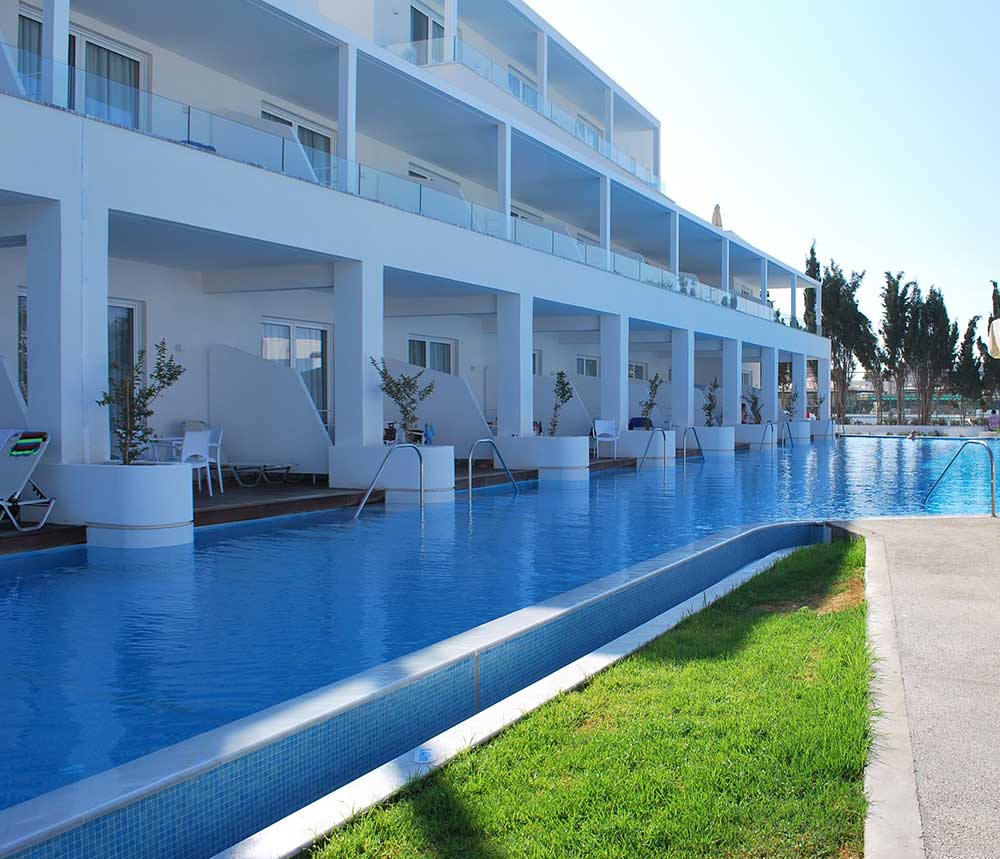
We are very proud for our involvement in Aliathon Holiday Village swim up suites, a project that has been recently announced by www.travelweekly.co.uk as one of the best 10 swim up suites in the world. You can read more about the specific award in the following link http://www.travelweekly.co.uk/articles/285691/10-of-the-best-swim-up-suites.

Renovated Swimming Pools at Four Seasons

October 6th, 2017 | Our Blogs

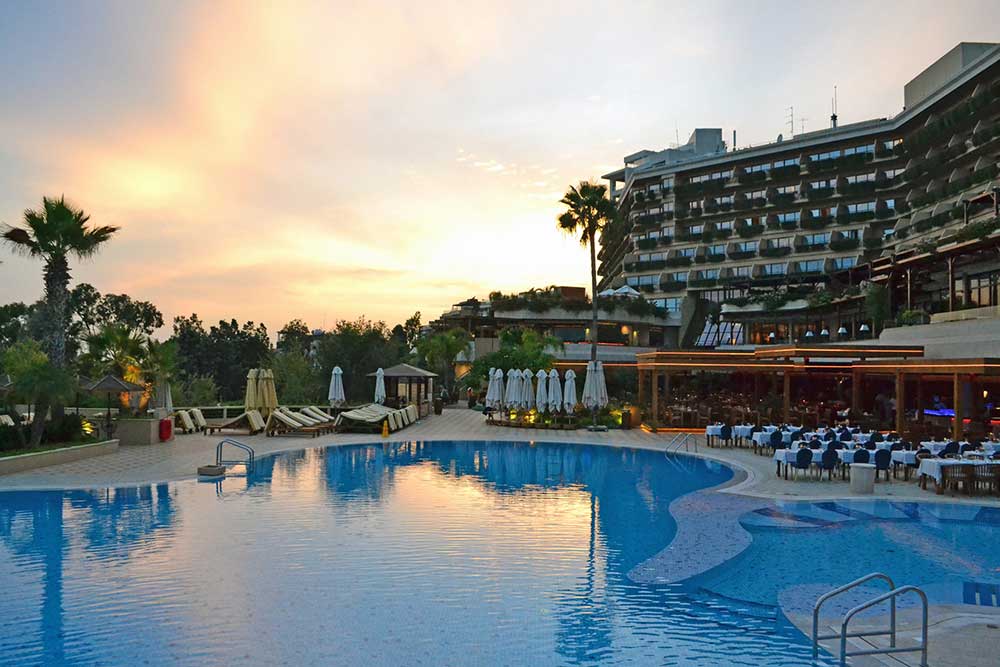
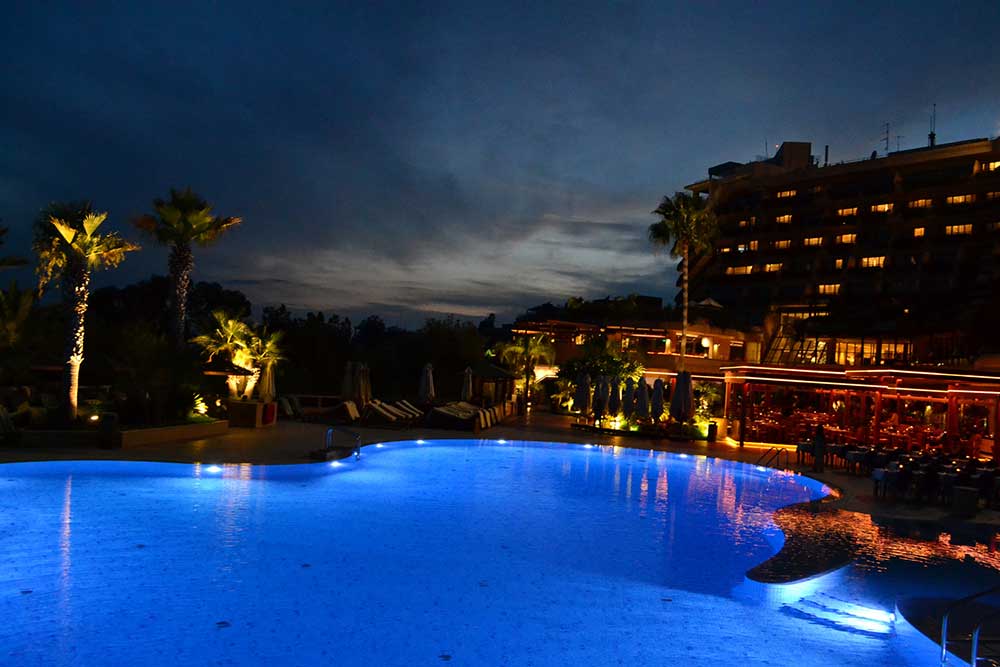
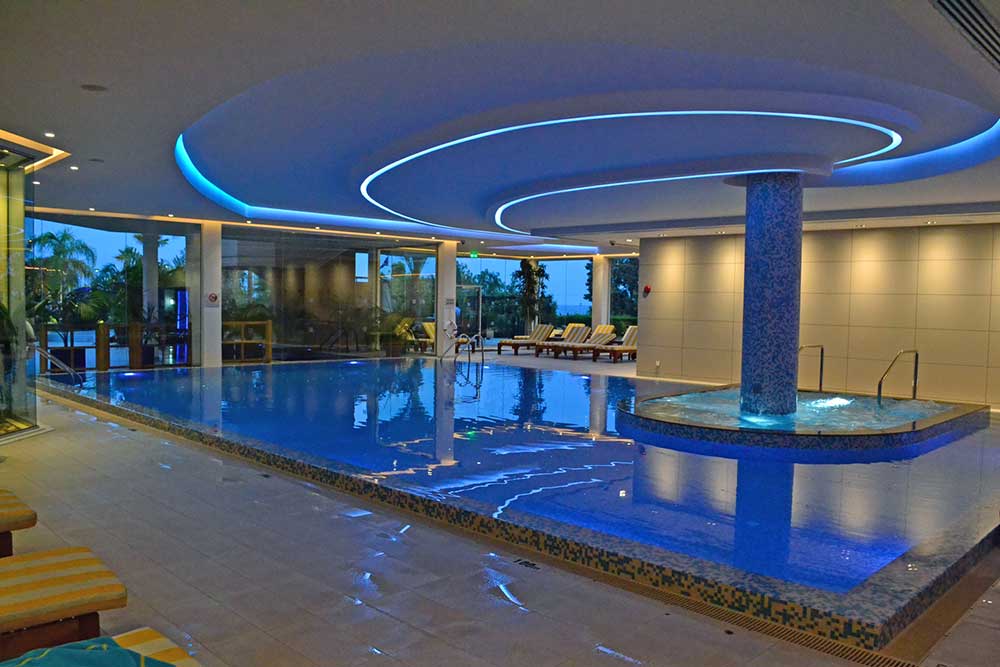
The renovations in Four Seasons are done and we did our part in renovating the two outdoor swimming pools as well as the indoor one. We recently had the opportunity for an evening photo shoot at this luxurious five star hotel. Enjoy the photos that follow!